Strategic investments in precious metals, energy, agriculture, and industrial commodities to diversify portfolios and protect wealth.
Commodities represent tangible assets that form the foundation of the global economy - from precious metals like gold and silver to energy resources like oil and natural gas, agricultural products, and industrial metals. At Real-Assets247, we provide clients with strategic exposure to commodity markets through physical holdings, futures contracts, and commodity-focused securities.
Gold has served as a store of value for thousands of years and remains the premier safe-haven asset during economic uncertainty. Alongside gold, we invest in other precious metals including silver, platinum, and palladium, as well as energy commodities, base metals, and agricultural products that drive the global economy.
Commodity investments provide portfolio diversification, inflation protection, and uncorrelated returns compared to traditional stocks and bonds. As physical assets with intrinsic value and limited supply, commodities offer unique wealth preservation characteristics that are particularly valuable during periods of currency debasement and economic instability.
Commodities historically rise with inflation as their prices increase along with general price levels. During inflationary periods, commodity investments often outperform financial assets, preserving purchasing power.
Commodity price movements are often uncorrelated or negatively correlated with stocks and bonds, providing genuine diversification that reduces overall portfolio volatility and risk.
Unlike paper assets, commodities have intrinsic physical value and utility. Gold doesn't rely on corporate earnings or government promises - its value is inherent and globally recognized.
During financial crises, geopolitical tensions, or currency collapses, precious metals and other commodities serve as safe havens, often appreciating when other assets decline sharply.
Many commodities face supply limitations due to depletion, production constraints, or geopolitical factors. Limited supply combined with growing demand drives price appreciation over time.
Emerging market growth, particularly in Asia, drives sustained demand for commodities. As billions enter the middle class, consumption of energy, metals, and agricultural products increases.
The cornerstone of our commodity strategy, precious metals offer unparalleled wealth preservation and crisis protection. We invest through physical bullion holdings in secure vaults, precious metal ETFs, mining company equities, and futures contracts.
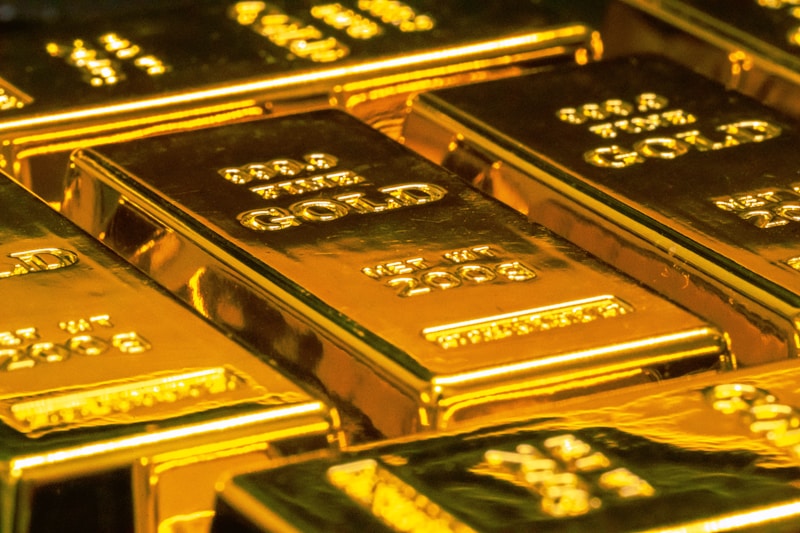
The ultimate store of value and safe-haven asset. Gold maintains purchasing power over centuries, provides insurance against currency devaluation, and typically rallies during stock market crashes. We maintain significant gold allocations through physical bars, coins, and gold-backed securities.
Both a monetary metal and industrial commodity. Silver offers precious metal characteristics with significant industrial demand from electronics, solar panels, and medical applications. Often provides higher percentage gains than gold during bull markets.
Industrial precious metals used primarily in automotive catalytic converters and jewelry. Supply concentrated in South Africa and Russia creates potential for significant price spikes during supply disruptions or demand surges.


Energy powers the global economy, and energy commodities represent some of the most actively traded markets. We invest across the energy spectrum from traditional fossil fuels to emerging clean energy commodities.
The world's most important commodity, crude oil drives transportation, manufacturing, and petrochemical industries. We trade WTI and Brent crude futures, invest in oil company stocks, and hold positions in oil-linked securities to capture price movements.
Critical for heating, electricity generation, and industrial processes. Natural gas prices are influenced by weather patterns, storage levels, and production capacity, creating seasonal trading opportunities and long-term investment potential.
Including gasoline, heating oil, and diesel. These commodities offer opportunities based on refining capacity, seasonal demand patterns, and regional price differentials between crude oil and refined products.
Essential building blocks of modern infrastructure and manufacturing. Base metal prices serve as economic indicators, rising during expansion and falling during recessions, providing both investment and economic insight.
"Dr. Copper" serves as a barometer of global economic health due to widespread use in construction, electrical wiring, and industrial equipment. Electric vehicle and renewable energy growth drives increasing copper demand.
Critical industrial metals used in manufacturing, construction, and technology. Nickel particularly benefits from electric vehicle battery demand, while aluminum remains essential for packaging and transportation industries.
Fundamental to construction and infrastructure development. Chinese demand significantly influences prices, and infrastructure investment cycles in developing nations create long-term growth opportunities.

Essential food and fiber commodities that feed and clothe the world. Agricultural markets are influenced by weather, growing seasons, global demand, and policy decisions, creating distinct trading patterns and opportunities.
Wheat, corn, and soybeans form the foundation of global food supply. Weather patterns, harvest cycles, export demand, and biofuel mandates create price volatility and trading opportunities throughout the year.
Coffee, sugar, cocoa, and cotton. These commodities are subject to tropical weather patterns, political instability in producing regions, and changing consumer preferences, offering substantial profit potential during supply disruptions.
Cattle, hogs, and other livestock products. Rising middle-class meat consumption in emerging markets drives long-term demand growth, while disease outbreaks and feed costs create short-term trading opportunities.
Our comprehensive approach to commodity investment and wealth preservation
Our commodity research begins with comprehensive supply and demand analysis. We track global production levels, inventory data, consumption patterns, and industrial demand trends across all major commodity sectors.
For precious metals, we analyze central bank policies, currency movements, geopolitical tensions, and safe-haven demand. For energy commodities, we monitor OPEC decisions, production capacity, refinery utilization, and seasonal demand patterns.
Agricultural commodities require analysis of weather forecasts, planting intentions, crop reports, export demand, and harvest projections. Industrial metals analysis focuses on manufacturing activity, infrastructure spending, and economic growth indicators.
We access commodity markets through various investment vehicles. For precious metals, we purchase physical bullion stored in secure, insured vaults, providing clients with actual ownership of gold, silver, and platinum bars and coins.
Futures contracts allow us to gain leveraged exposure to commodity price movements without physical storage requirements. We trade on major exchanges including COMEX, NYMEX, and LME, managing positions actively to capture price trends.
Commodity ETFs and mining company stocks provide additional exposure. Energy and mining company equities offer leveraged exposure to underlying commodity prices while generating dividends. Commodity-linked bonds and structured products round out our investment toolkit.
Commodity markets exhibit distinct seasonal patterns and cyclical behaviors. Agricultural commodities follow planting and harvest cycles. Natural gas demand peaks during winter heating season. We time investments to capitalize on these predictable patterns.
For longer-term positions, we identify multi-year commodity cycles driven by production capacity expansions and contractions. Major bull markets in commodities can last years, offering sustained profit opportunities for patient investors positioned early.
Execution occurs through established commodity brokers and dealers. For physical precious metals, we work with refineries and bullion dealers to acquire product at favorable premiums. Futures trading utilizes sophisticated platforms with direct exchange access ensuring optimal fill prices.

Commodities serve multiple roles within diversified portfolios. Core precious metal holdings provide wealth preservation and crisis insurance. We typically maintain 10-20% allocation to gold and silver as permanent portfolio ballast regardless of market conditions.
Tactical commodity positions capture cyclical trends and seasonal opportunities. During inflationary periods, we increase commodity exposure. When currencies weaken, precious metals allocations expand. Energy and base metals positions align with economic cycle positioning.
Regular rebalancing maintains target allocations while harvesting gains from outperforming commodities. We trim positions that have appreciated significantly and add to undervalued commodities, maintaining disciplined portfolio structure while capitalizing on market inefficiencies.
Physical precious metals are stored in institutional-grade vaulting facilities with comprehensive insurance coverage. Our storage partners include leading bullion depositories with segregated storage options, ensuring client metals are specifically allocated and separately identified.
Regular audits and inventory verification provide transparency and security. Clients can request delivery of physical metals, conversion to different forms, or sale at prevailing market prices with minimal transaction costs.
For futures and securities-based commodity exposure, positions are held with major prime brokers and custodians. All holdings are fully transparent with regular statements showing exact positions, cost basis, and current market values.

Multiple strategies to capture returns from commodity markets and deliver consistent wealth growth
The primary profit mechanism is buying commodities at lower prices and selling at higher prices as supply-demand dynamics shift. When we purchase gold at $1,800 per ounce and it rises to $2,100, that $300 gain per ounce translates directly to client profits.
Commodities experience significant bull markets lasting years when structural supply deficits emerge or inflation accelerates. During the 2000-2011 commodity supercycle, gold rose from $250 to $1,900, silver from $4 to $50, and oil from $20 to $147, creating generational wealth for positioned investors.
Commodities move in multi-year cycles based on capital investment cycles, production capacity, and demand growth. We identify when commodities are undervalued following price collapses and accumulate positions before the next bull phase begins.
When commodity prices crash, producers cut production and reduce capital investment. This creates future supply deficits that drive the next bull market. By buying during despair phases and holding through recovery, we capture entire cycle moves generating substantial returns.
During inflationary periods, commodity values rise along with general price levels while paper assets often decline. This dual benefit of commodity appreciation plus relative outperformance versus stocks and bonds generates exceptional real returns.
Gold particularly shines during currency debasement and monetary expansion. When central banks print money and real interest rates turn negative, gold often rallies dramatically. The 2020-2021 period saw gold gain 40% as global money supply exploded, delivering substantial profits to holders.
Geopolitical crises, financial panics, and economic uncertainty drive safe-haven flows into precious metals. Gold and silver surge during these periods as investors flee risk assets. These crisis rallies can be swift and substantial.
By maintaining core precious metals positions at all times, we're positioned to benefit from unexpected crisis events. The 2008 financial crisis saw gold rally 25% while stocks crashed 50%. COVID-19 panic in 2020 pushed gold up 35% in months. Being positioned before crises strike captures maximum gains.
*These examples illustrate typical commodity trades. Actual returns vary based on position sizing, entry/exit timing, and market conditions.
Many commodities exhibit predictable seasonal patterns. Natural gas typically rises before winter heating season. Agricultural commodities fluctuate around planting and harvest periods. Crude oil peaks during summer driving season.
By systematically trading these seasonal patterns, we capture recurring profit opportunities with favorable risk-reward profiles. Historical seasonality provides statistical edges that generate consistent returns year after year.
Futures markets trade at premiums or discounts to spot prices. In contango markets, futures trade above spot creating roll costs. In backwardation, futures trade below spot generating roll yields.
We profit by buying physical commodities when futures are in steep contango, selling futures against physical holdings to capture the premium. In backwardation, we hold long futures positions earning positive roll yield as contracts converge to spot prices.
Trading price differences between related commodities captures relative value without directional risk. Gold/silver ratio trades exploit historical relationships. Crude oil crack spreads profit from refining margins.
Geographic spreads between different delivery locations, calendar spreads between contract months, and inter-commodity spreads provide diverse opportunities with defined risk parameters and lower volatility than outright positions.
Mining company stocks provide leveraged exposure to underlying commodity prices. When gold rises 20%, quality gold mining stocks often gain 40-60% due to operating leverage and expanding profit margins.
We invest in well-managed miners with strong balance sheets and low-cost production. During commodity bull markets, mining stocks dramatically outperform physical commodities while providing dividends and avoiding storage costs.
Geopolitical events, natural disasters, strikes, and production problems create sudden supply shortages driving sharp price spikes. By maintaining positions in commodities with concentrated supply or geopolitical risk, we capture these explosive moves.
Hurricane threats to Gulf Coast oil production, mine strikes in Chile copper operations, droughts affecting grain harvests - these events can drive commodity prices up 20-50% within weeks, generating substantial short-term profits.
When currencies lose value through inflation or monetary expansion, commodity prices rise in nominal terms to maintain purchasing power. This provides automatic inflation adjustment impossible to achieve with cash or bonds.
Over decades, commodities maintain real value while paper currencies depreciate. A gold ounce bought in 1971 for $35 is worth $2,100 today, preserving purchasing power through 50 years of inflation while dollar cash lost 85% of value.
Diversify your portfolio with tangible assets and benefit from commodity market opportunities
Explore Investment Options